Insight
Why Section 106 Matters: Preserving VA’s Historic Healthcare Legacy
August 28, 2026
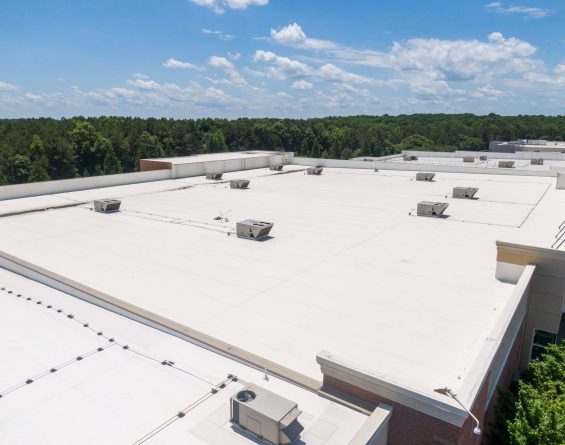
Thermoplastic Polyolefin (TPO) roofing has evolved from a niche alternative into a defining solution for modern commercial roofing, particularly in low-slope applications where performance, efficiency, and lifecycle value are critical. As building owners and design teams face increasing pressure to balance durability, sustainability, and cost, TPO continues to emerge as a strategic choice rather than simply a material selection.
TPO sheet roofing is made of a combination of ethylene-propylene rubber with an embedded mesh and polypropylene. Its widespread adoption is driven by its durability, reflectivity, versatility, and cost efficiency—qualities that align with today’s performance-driven design priorities. While other roofing types such as SBS and PVC remain in use, TPO roofing has become a preferred system in new construction, additions, and roof replacement projects.
Most TPO roofing systems last anywhere from 10–30 years, with 20–25 years being the average lifespan depending on environmental conditions and installation quality. TPO roofing was introduced to the U.S. in the early 1990s as an alternative to PVC, addressing the industry’s need for a flexible and durable white membrane. The ASTM D6878 standard, published in 2003 and updated in 2011, established key requirements for ozone resistance, weathering, and heat aging. Today, TPO is widely recognized as a market leader, valued for its reflective properties, energy efficiency, and heat-welded seams that enhance waterproofing reliability.
From a performance standpoint, TPO delivers a compelling balance of resilience and efficiency. It is lightweight, energy-efficient, and highly reflective, with strong resistance to heat, UV exposure, punctures, and tears (particularly at 60 mil thickness or greater). Compared to PVC and EPDM systems, TPO can offer up to 30% cost savings, making it an attractive option for budget-conscious projects without compromising performance. Its flexibility allows it to accommodate building movement, while its resistance to mold, dirt, and algae supports long-term durability.
The white reflective membrane, when installed over high-performance rigid polyisocyanurate insulation (minimum R-33), can significantly reduce rooftop surface temperatures and help lower interior cooling demands. This contributes not only to operational cost savings but also to broader sustainability goals, including reduced energy consumption and improved building performance.
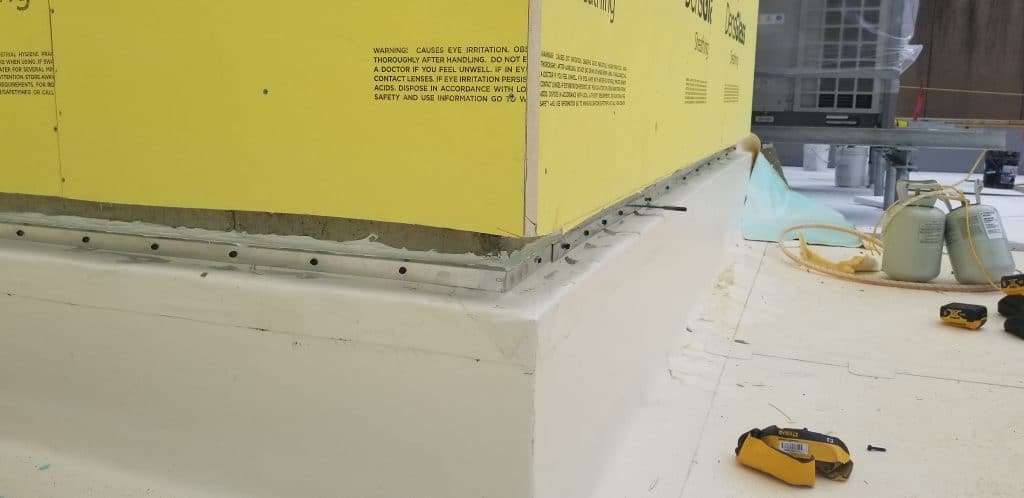
TPO systems are versatile in their installation, with options including fully adhered, mechanically attached (less common), and induction-welded assemblies. Roof slopes can be achieved through structural framing or tapered insulation systems with crickets. Importantly, manufacturers typically recommend rolling the TPO membrane directly up parapet walls rather than incorporating wood blocking or cant strips at transitions. This approach supports proper installation techniques and preserves manufacturer warranties without additional cost to the owner.
At Apogee, our standard detailing adapts these best practices by wrapping the TPO membrane over parapet blocking and integrating metal fascia trim and manufacturer-approved flashing systems, which ensures both performance and constructability.
TPO membranes comply with international technical standards and are reinforced with polyester fabric scrim, providing puncture resistance, tear strength, and dimensional stability. Roofing performance considerations include uplift pressures across roof zones, energy performance metrics such as Solar Reflectance Index (SRI), and long-term aging characteristics.
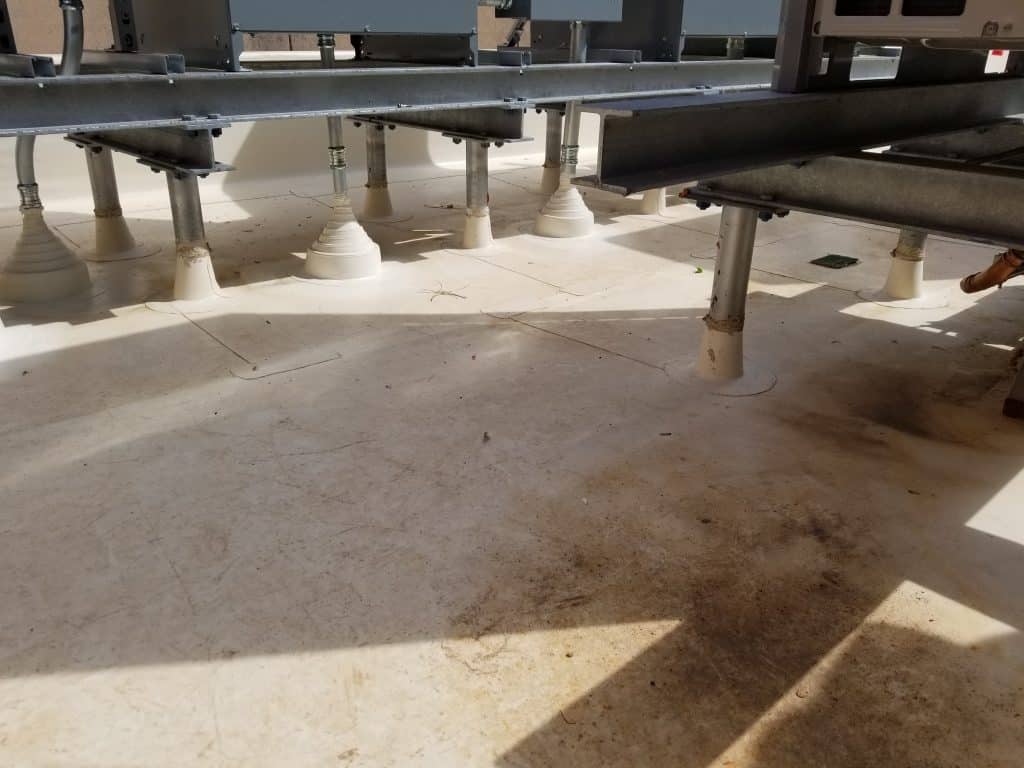
A wide range of accessories such as pre-molded corners, pipe seals, scuppers, and flashing components supports a fully integrated system. While walk pads have traditionally been used to protect high-traffic areas, the industry is increasingly moving away from them due to labor intensity and installation complexity, favoring more efficient alternatives.
For roof replacement projects, removing existing roofing materials down to the structural deck allows for proper evaluation and repair. This investigative approach is critical to ensure that new systems are not simply layered over unknown conditions. At Apogee, this process begins with a detailed review of available documentation and is validated through field investigation methods such as infrared scanning and, when necessary, core sampling to determine material composition and thickness.
Our experience across diverse geographic regions reinforces that roofing design is never one-size-fits-all. Climate conditions, code requirements, and performance expectations vary significantly. For example, regions such as Florida demand higher R-values and wind resistance, while northern climates prioritize thermal performance in extreme cold. By cross-referencing local codes with IBC, FM, NFPA, and NRCA guidelines, we ensure that each roofing system is tailored to its specific context.
Supporting construction administration throughout the roofing process is also essential. Effective collaboration between the design team, contractor, and owner ensures that intent is carried through to execution. This includes timely submittal reviews, RFI responses, and site observations to verify proper installation.
Ultimately, TPO roofing represents more than a material choice. It reflects a broader shift toward high-performance, cost-effective, and sustainable building solutions. When paired with thoughtful design, rigorous evaluation, and collaborative execution, TPO systems can deliver long-term value and resilience for a wide range of commercial applications. As the industry continues to evolve, leveraging proven systems like TPO while applying informed design strategies will remain critical to achieving successful project outcomes.